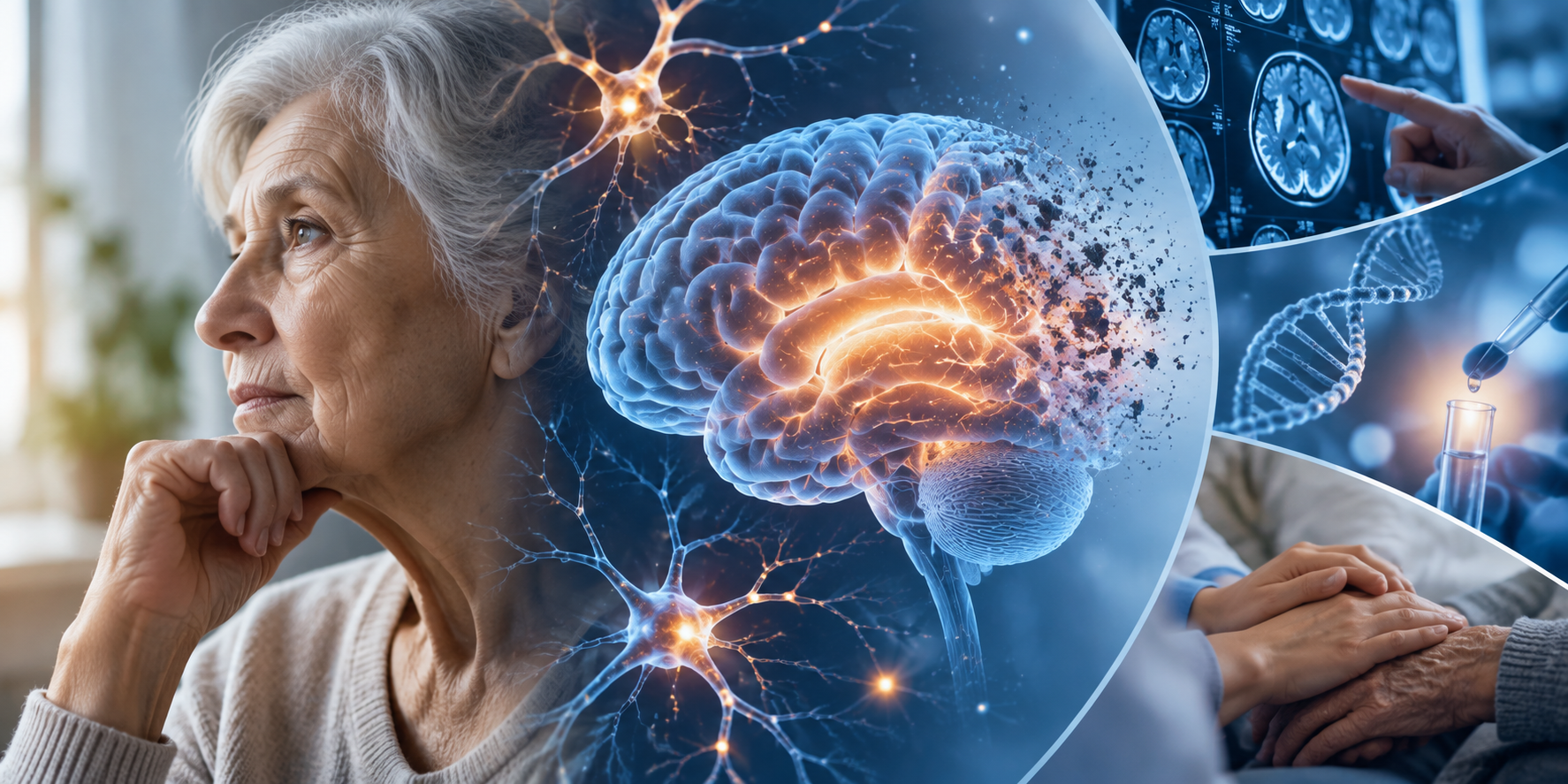
Neurodegenerative diseases often begin quietly. A forgotten conversation, a subtle change in walking, difficulty finding words, or a change in coordination may seem like an ordinary part of aging. In some cases, however, these changes can be early signs of a disease process developing within the nervous system.
Conditions such as Alzheimer’s disease, Parkinson’s disease, frontotemporal dementia, dementia with Lewy bodies, and Huntington’s disease affect millions of people worldwide. As populations age, understanding these disorders and finding better ways to detect them earlier has become an important area of global neurological research.
Why Early Detection Matters
One of the major challenges in neurodegenerative diseases is that biological changes may begin long before noticeable symptoms appear. By the time a patient seeks medical attention, significant changes may already have occurred.
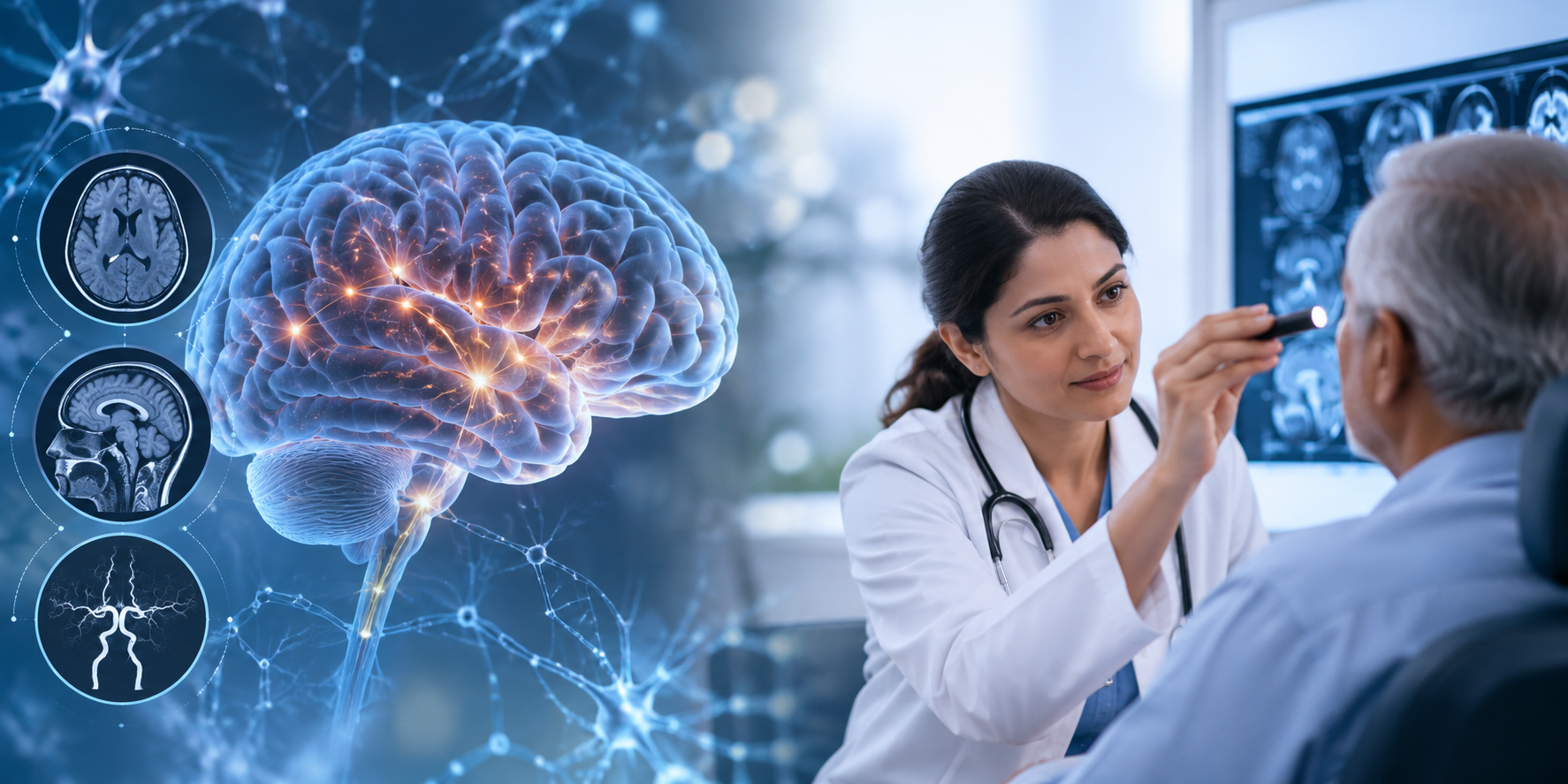
Researchers are therefore increasingly looking beyond symptoms alone. Brain imaging, genetic information, cerebrospinal fluid analysis, and blood-based biomarkers are being studied to identify biological changes at earlier stages.
Blood-based biomarkers have attracted particular attention because they could potentially offer a more accessible and less invasive way to support the assessment of certain neurodegenerative conditions. Research in Alzheimer’s disease, for example, is examining proteins associated with disease-related changes in the brain.
New Developments in Parkinson’s Disease
Parkinson’s disease research is also moving toward earlier biological detection. Researchers are investigating abnormal alpha-synuclein, a protein associated with Parkinson’s and related disorders, as a potential biomarker.
Another area receiving attention is the use of movement, speech, and other measurable characteristics to identify subtle changes that may not yet be obvious during a traditional clinical examination.
These developments could eventually help researchers better understand how Parkinson’s disease begins and progresses.
The Rise of Digital Biomarkers
Technology is providing another window into neurodegenerative diseases.
Smartphones, smartwatches, wearable sensors, and other digital tools can continuously collect information about movement, sleep, speech, activity, and daily behaviour. Researchers are studying whether these measurements can help detect changes over time.
For people with Parkinson’s disease or cognitive disorders, continuous monitoring could provide information that may be difficult to capture during a short clinical appointment.
However, digital biomarkers still require careful validation before they can become part of routine clinical practice.
Can Artificial Intelligence Help?
Artificial intelligence is becoming another important area of research. AI systems can process large amounts of medical information, including brain images, clinical records, genetic data, and biomarkers.
Researchers are exploring whether these technologies can identify patterns associated with disease development or progression.
At the same time, important questions remain. AI models need reliable and diverse datasets, proper clinical validation, transparency, and appropriate human oversight before their findings can be confidently applied to patient care.
Looking Beyond Treatment
Research into neurodegenerative diseases is increasingly moving beyond treating established disease toward earlier recognition, prevention, risk reduction, and personalized care.
Lifestyle and vascular factors, including physical activity, blood pressure, diabetes, smoking, and social and cognitive engagement, are also being studied in relation to brain health and dementia risk.
The future may involve combining clinical assessment with biomarkers, imaging, digital monitoring, and artificial intelligence to create a more detailed picture of an individual's neurological health.
About Medex Conferences
Medex Conferences provides a platform for sharing medical research, emerging healthcare developments, and scientific perspectives with clinicians, researchers, academicians, and healthcare professionals worldwide. Its scientific initiatives encourage knowledge exchange across evolving areas of medicine and healthcare.