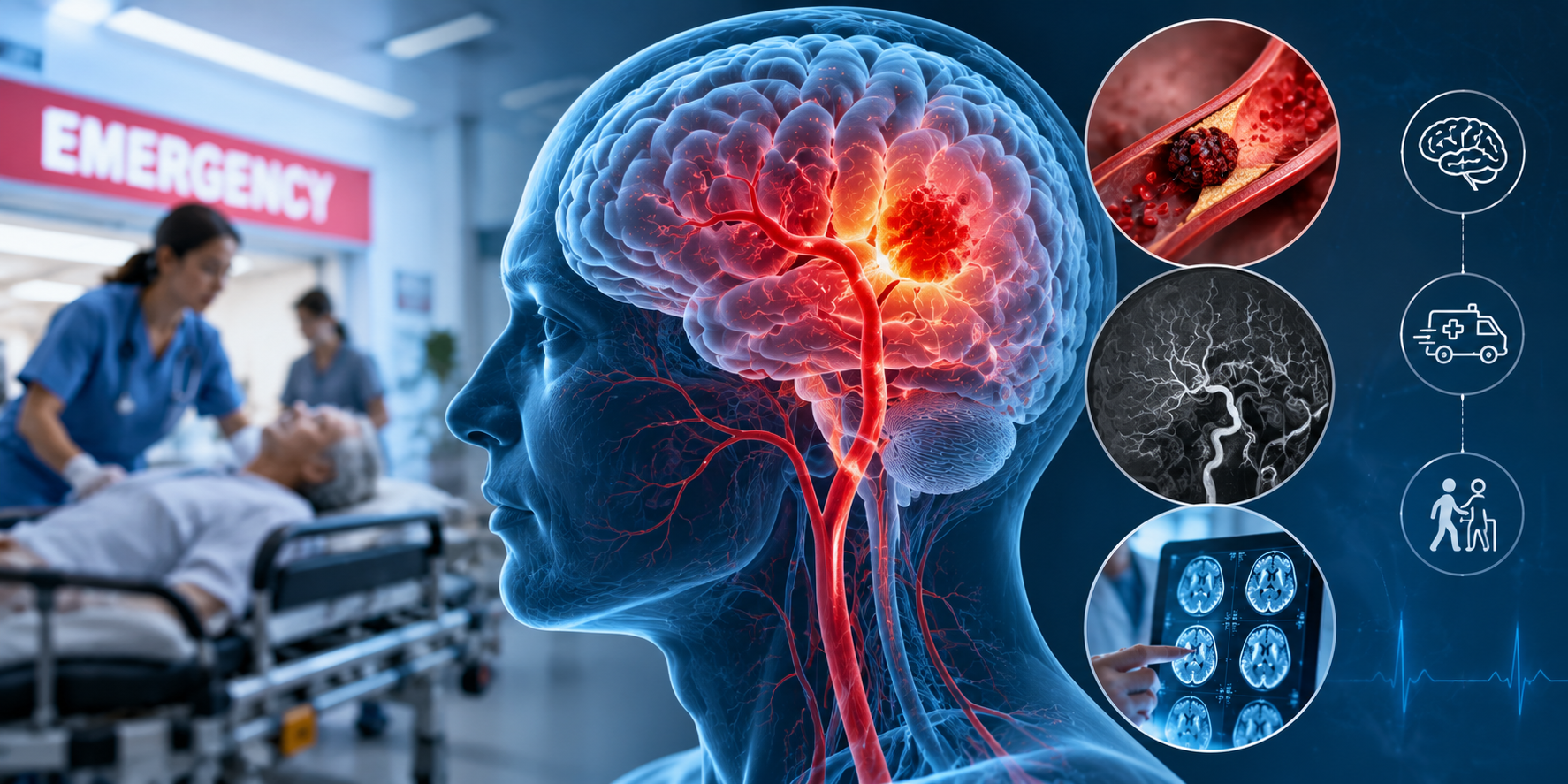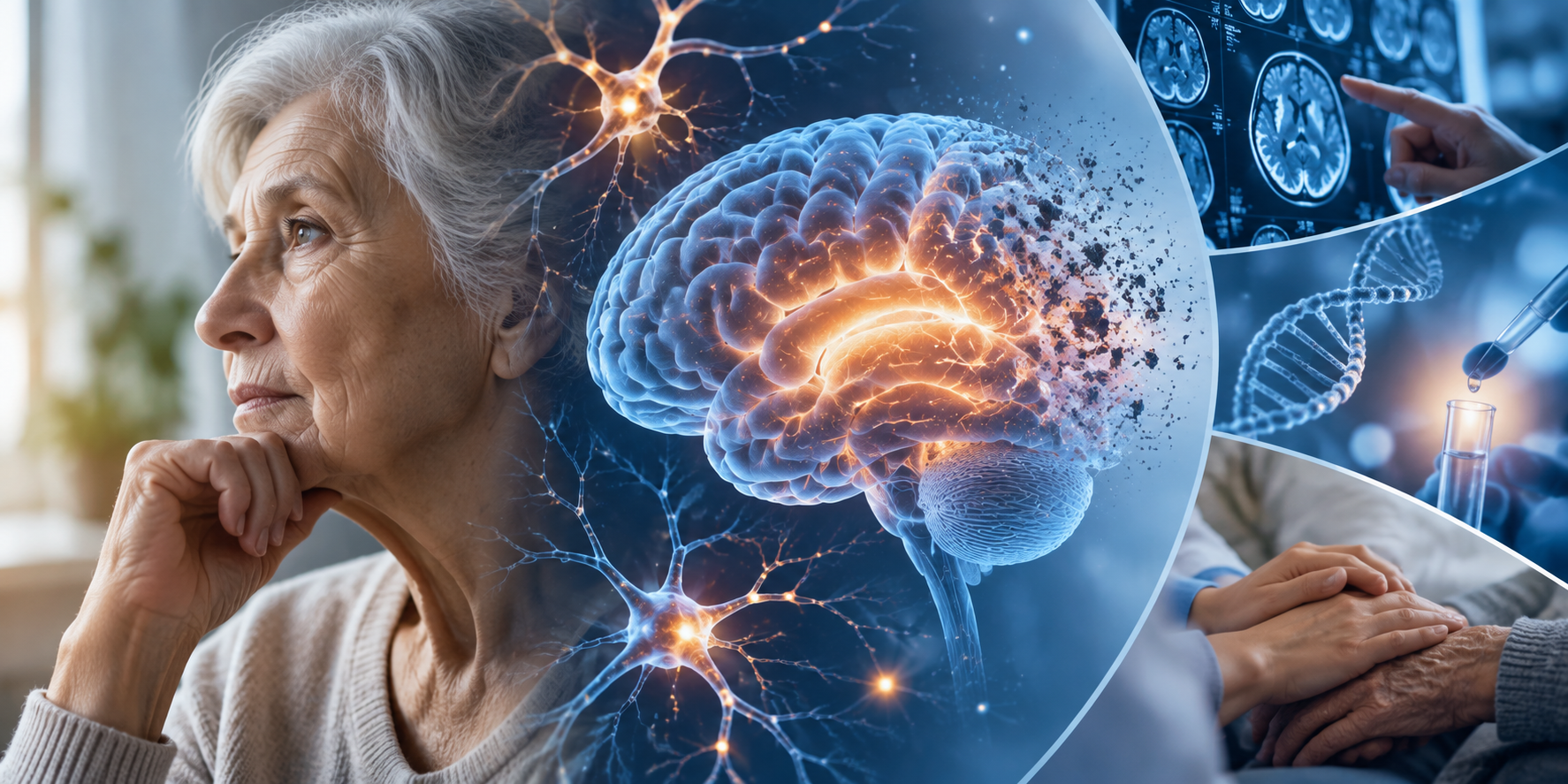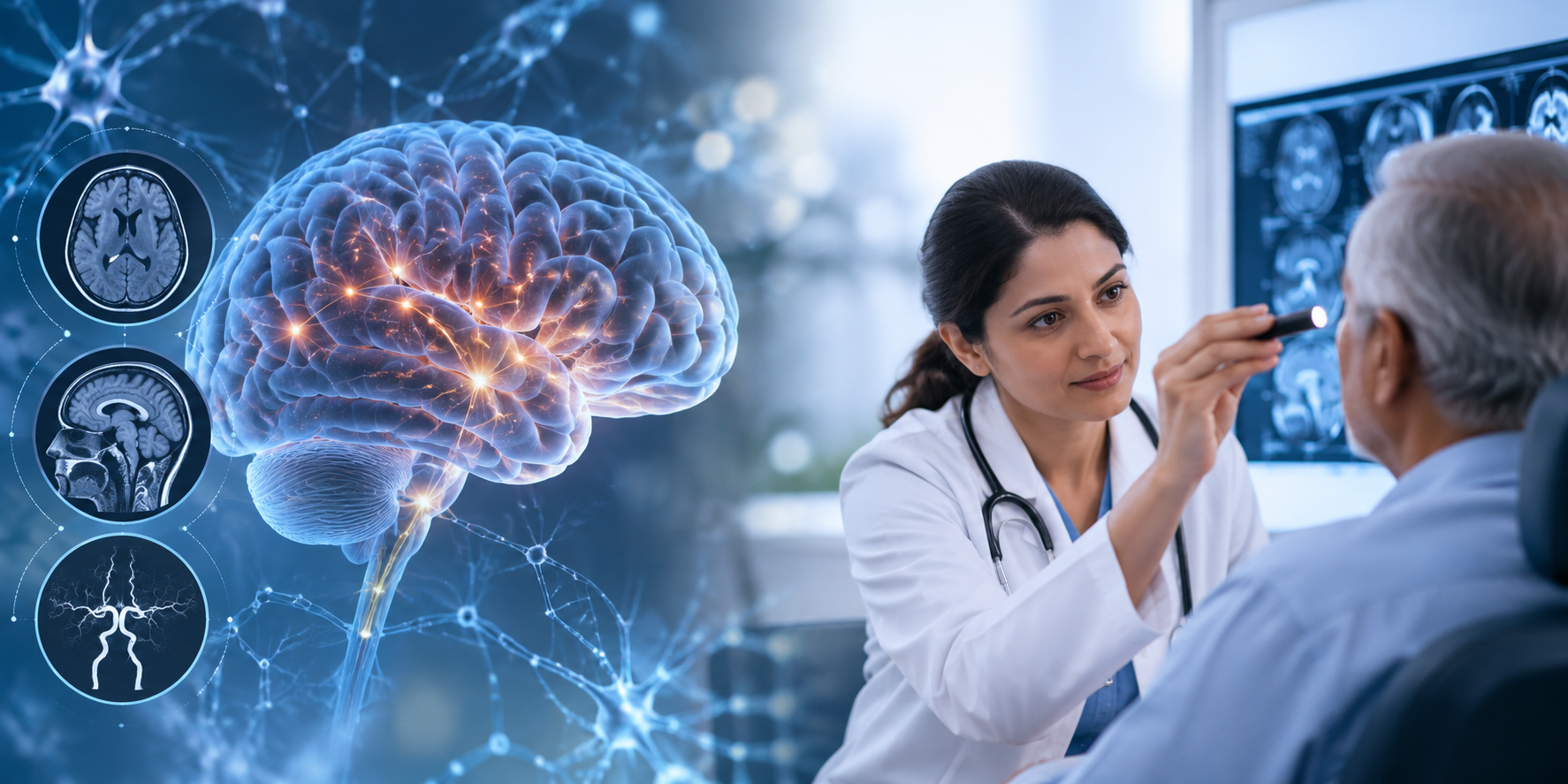
Neurology is a field where small changes can tell an important story. A slight change in movement, a recurring headache, difficulty finding the right words, unexplained weakness, or a change in memory may appear unrelated at first. For a neurologist, however, these symptoms can provide valuable clues about what is happening within the nervous system. This is where clinical neurology plays an important role. It brings together careful patient history, neurological examination, diagnostic investigations, and clinical experience to understand disorders affecting the brain, spinal cord, nerves, and muscles. Modern technology has transformed neurological diagnosis, but the patient remains at the center of the process. A detailed conversation about when symptoms started, how they have changed, and how they affect everyday life can often provide important information before any scan or laboratory test is performed. Neurological symptoms can also vary significantly from one person to another. Two patients with the same diagnosis may experience very different symptoms and challenges. Understanding these individual differences is an important part of clinical decision-making. Neurological diagnosis can sometimes be challenging because similar symptoms may occur in different conditions. Dizziness, weakness, seizures, changes in sensation, and cognitive difficulties can have multiple possible causes. Neurologists may use clinical examination together with tools such as MRI, CT scans, EEG, nerve conduction studies, electromyography, blood tests, and other investigations to build a clearer picture. The goal is not simply to identify a disease. It is to understand what is happening, why it may be happening, and how it is affecting the individual patient. Clinical neurology is continuously evolving. Advances in neuroimaging, genetics, biomarkers, digital health, and artificial intelligence are providing new ways to study neurological disorders. Researchers are exploring how these developments can support earlier diagnosis, better monitoring, and more personalized approaches to treatment. Artificial intelligence, for example, is being investigated in areas such as brain imaging, stroke assessment, seizure detection, and neurodegenerative disease research. Wearable devices and digital monitoring tools are also creating opportunities to observe changes in movement, sleep, and other neurological functions outside the traditional clinical setting. These technologies can offer valuable support, but clinical judgment and patient-specific assessment remain essential. The future of clinical neurology will likely depend on bringing together established clinical knowledge with emerging scientific discoveries. Better collaboration between neurologists, researchers, imaging specialists, rehabilitation professionals, neuroscientists, and technology experts can help translate research findings into meaningful advances in patient care. At WNBD 2027 – World Congress on Neurology and Brain Disorders, Clinical Neurology will be part of the scientific program exploring current developments and emerging perspectives in neurological research and practice. Under the theme “Beyond Neurons: Shaping the Next Era of Neurology,” the conference will provide a platform for researchers, clinicians, healthcare professionals, and students to share their work, discuss challenges, and exchange ideas shaping the future of neurology. WNBD 2027 Clinical neurology ultimately goes beyond diagnosing a condition. It is about understanding the person behind the symptoms and continuing to find better ways to protect, restore, and improve neurological health.The Value of Listening to the Patient
From Symptoms to Diagnosis
Changing Approaches to Neurological Care
Looking Toward the Future
February 25–27, 2027 | Virtual Webinar